Sunday, June 9, 2019

Luxury Bathroom Ideas: European Style Interior Design

Do you remember the last time you were really relaxed?
Truly, honestly, and deeply relaxed?
If you’ve ever walked into a spa, you know the feeling I’m talking about.
It’s a deep breath that leaves the world outside, it’s the tranquil surroundings of a calm environment, it’s the sweet smells and simplistic touches that make a spa day so enticing.
Wouldn’t it be nice to have that same spa feeling at home?
Now you can.
These luxury bathroom ideas give your home a little piece of tranquility in a world of chaos.
Unique bathrooms designed with comfort and elegance give you spa-like feel in your very own home.
Some of today’s more luxurious bathroom designs are inspired by European style interior design. Modern European design maintains some of the classical ornate style of old world Europe and combines it with classic modern tastes.
These amazing bathroom designs inspired by European style work in any bathroom from tiny water closets to his and her master bath combinations.
Here are some of the best luxury bathroom designs from around the globe you can bring into your home.
Now you can have a spa-like retreat to enjoy every day.
Scandinavian Bathroom Design
When people think Scandinavian design, they immediately jump to images out of an IKEA catalog.
While the modern minimalist design is classically Scandinavian, there is so much more to explore.
Scandinavian bathroom design is all about function, combined with a simplistic beauty.
It is classic contemporary design, which is sometimes confused with modern design. Modern design only refers to a period of time (1920s-1950s), but contemporary design is always changing evolving, adapting and tends to borrow elements from several different design eras, depending on what is popular today.
Sweden has a beautiful way of taking what is on trend today and stripping it down to simplistic beauty.
Quintessential elements of Scandinavian bathrooms are clean lines and minimalist schemes.
Scandinavians also incorporate natural elements in their design. The Swedish people enjoy the outdoors, and the environment around them, and tend to incorporate natural colors, wood and stone textures and other naturally beautiful elements inspired by Mother Nature.
  • Color scheme: This represents a classic Scandinavian color scheme. Neutral colors in calm and muted tones of pale blue, cool grey, white and cream. Inspired by the natural elements of ocean, without looking nautical.
  • Sink and Vanity: Classic square shape and minimalist design become the focal point of this area. The free floating look keeps the lines clean and incorporates several natural elements including the stone materials, woven basket for storage, and even a green fern on the countertop.
A slightly more modern look, but still incorporates the free floating sink, straight line shelves, and minimalist mirror design.
For a smaller space, a tiny sink plays a big role with four drawers of storage while maintaining clean lines, muted colors, and natural wood materials.
  • Shower and Tub: A free-standing tub is classic Scandinavian, with simple shapes and classic lines. The fixtures themselves almost blend into the background with lots of clear glass, symmetrical tile, and smooth wall texture.
  • Fabric: Fabrics should be kept to a minimum. Bath and shower enclosures are typically glass and bath mats can be wood or stone. Towels are generally the only fabric in the bathroom. Keep them light and airy by using natural materials like cotton.
  • Fixtures: Faucets and fixtures are sleek and simple. Chrome is popular, but other metallics also work with this style. The focus is on a modern silhouette and simple design.
  • Cabinets: Cabinetry, if used at all, is usually white. However, in Sweden, cabinetry is often eliminated completely because it takes up too much space. Open up space with free floating storage. Basic rails, baskets, and hooks provide the storage you need without too much fuss.
  • Mirrors: Mirrors play a big role and can add to the style of the room. Geometric shapes and patterns take a classic bathroom element and make it sophisticated.
  • Tile: The subway tile trend actually began in Sweden, and has since spread worldwide. To stay true to Scandinavian design, be sure to keep it white or use natural light stone with white grout.
  • Lighting: Whenever possible, let the natural light flow freely without hindrance from window coverings. If privacy is essential, consider a window film or tinting rather than bulky blinds or draperies.
  • Scent: You can actually find candles that are made to smell like different countries. Scents of Sweden are often inspired by sea salt, fresh air, forests, and orchards.
  • Textures/pattern: When choosing textures or patterns for your bathroom, consider those found in nature. Woods, trees, or shells provide excellent inspiration for adding essential Swedish elements to space.
  • Accessories: There’s no need to cover the countertops in baskets, boxes, and jars. Keep accessories minimal. Essentials only. A basic towel and a bar of soap will do. Other bathroom essentials should be tucked away out of sight.
  • Flooring: Keep flooring light and simple. White or light grey colors work best. Consider oversized tiles that fill a large surface area without a lot of grout lines. Slate, light woods, or even concrete flooring are other options that pull the Swedish design together seamlessly.
French Bathroom Design
The French might be the world’s most stylish people. From their clothing to their pastries, the French definitely know a thing or two about luxury. French design is never undone, overdone, or underwhelming; it is simply perfect.
To some, French design is chic red, black, and white with bold accents and strong lines. For others, classic French is soft, pastel colors, embellished furniture, and ornate trims. The truth is, French can be both. Just as a pastry chef can create several delicacies, French design can include many forms, but the three most popular forms are Parisian, Provence (country), and Neoclassical.
Parisian tends to be more contemporary; country has a rustic, shabby-chic feel; and neoclassical combines the Marie Antoinette style and the French Revolution era. While each of these three forms has their own unique features, they do share a few common elements. All three forms have distressed elements with the exception of Parisian, which has crisp colors and straight lines. Both Provence and Neoclassical carry a more distressed, aged, and vintage look. The color scheme for all three can be pastels, although Parisian often calls for strong reds, whites, blacks, and often pink.
  • Sink and Vanity: This elegant bathroom design is classic neoclassical French with the pastel blues, ornate gold, and floor to ceiling details. The sink and vanity are oversized, grand, and fit for a princess.
  • Shower and Tub: Clawfoot tubs are a beautiful French element, and the oversized mirror gives the illusion of a window by reflecting natural light.
  • Fixtures: Vintage or rustic fixtures and faucets work perfectly for a rustic or provincial French theme. If you’re going for more neoclassical or Parisian, you can use vintage fixtures and refinish them, so they shine like new.
  • Cabinets: Elaborate and interesting cabinetry works perfectly in any of the French design forms. The piece itself becomes a work of art that enhances the space.
  • Fabric: If you are going for Parisian or neoclassical French, opt for luxurious fabrics of satin, chiffon, or taffeta. For a provincial French countryside theme, stick with more basic kinds of cotton with vintage floral patterns or delicate details.
  • Mirrors: The French love the French. Oversized mirrors with ornate frames create a grandiose and elegant style that works perfectly with any of the basic French forms of design.
  • Tile: Patterned tile is a popular element for French bathroom design. The country blue color and a delicate pattern are quintessential provincial France. For neoclassical or Parisian design, keep tiles simple and accent with fabrics or wallpaper.
  • Lighting: Keep the lighting in style with French chandeliers. Any shape and size can be incorporated into an elegant French design. Small chandeliers work great for mirror lighting. Oversized chandeliers are beautiful above the tub or in the center of the room.
  • Scent: Nothing says Paris like roses. Incorporate bright red roses for a Parisian theme. For a more delicate country style, go for roses in pastel colors and vintage blue bottles that look and smell beautiful.
  • Textures/pattern: Anytime you add texture wallpaper, fabrics, or textures to a French-style bathroom, think floral, over-the-top elaborate designs in soft colors and small patterns.
  • Accessories: Keep accessories vintage and beautiful by gathering items in glass, milk glass, or antique silver containers. Jars, bottles, candlesticks, and trays make beautiful additions.
  • Flooring: Light stone floors combine the look of cobblestone paths with the modern convenience of stone tile. The shape and color maintain the look and feel of provincial France.
Tuscan Bathroom Interior Design
The Tuscan countryside emits relaxation, warmth, and fresh air. If you combine the natural beauty of earthy materials and a healthy appreciation of fine finishes, you can create a beautiful Tuscan style design in any room of your home. Tuscan style has the relaxed feel of sunshine and warmth with the luxurious surfaces of fine Italy. This style is very popular across the globe, but particularly in warm and sunny desert areas, because it uses warm tones and rustic surfaces.
Although the Tuscan countryside is in Italy, it combines styles from several surrounding areas. Tuscan interior design is a mixture between southwestern architecture and Mediterranean style. Exposed beams, wine cellar accents, flowering plants, deep colors, and rich textures are all elements of classic Tuscan style. When done well, Tuscan interior captures the feeling of the countryside without being overdone. Surfaces and finishes should be durable yet refined. Aim for sturdy, but not overbearing.
  • Color Scheme: The Tuscan color scheme is warm and natural, reminiscent of the countryside. It includes the brownish-orange of terra-cotta, creamy plaster walls, shades of green, deep purples, bright cobalt, and golden yellow rays.
  • Sink and Vanity: Many Tuscan bathrooms make the sink a focal point. Vessel sinks and beautiful vanities draw attention and set the tone for the area.
  • Shower and Tub: Deep-soaking claw foot tubs work perfectly in Tuscan style if you have space. Choosing an over-sized shower stall using rustic, textured tiles on the floor and wall works to create the sensation you are outdoors.
  • Fixtures: Oil-rubbed, brushed, finished fixtures are relatively easy to find and the dark colors bring in the rich tones of Tuscany.
  • Fabric: Incorporating fabrics is a great way to bring color into the room. Consider upholstery fabrics that are heavy weight with rich jewel tones.
  • Mirrors: Large mirrors, framed in rich dark wood create a beautiful accent to natural wood cabinetry and oil rubbed bronze fixtures.
  • Tile: Beautiful mosaic tiles create a beautiful Tuscan scene. Use them for a backsplash, shower accent, or a wall accent.
  • Lighting: Wrought iron lighting fixtures and wall sconces provide beautiful accents in an elegant bathroom design. If you are looking to add bathroom lighting, consider mimicking the bright Tuscan sun with under-cabinet lighting, ceiling light fixtures, or hanging pendant lights.
  • Scent: Enhance the sweet scents of Italy with smells of grapes, orchards, rich wine, and fresh air.
  • Textures/pattern: Deep, dark wood is quintessential Tuscan. Keep the finish natural with wood, marble, or granite on top. Beautiful Mediterranean style has plenty of scrolling ironwork, high gloss finishes, and intricate carvings or painting.
  • Accessories: A combination of dark wrought iron and milky ceramics make beautiful Tuscan accessories. You can also use terra cotta pots for décor and natural herbs to accent with greenery.
  • Flooring: Keep flooring in natural stone materials and colors. Terracotta, travertine, marble, granite, and limestone are all good options. Use neutral colors on the floor and accent with colored backsplashes and painted tiles.
Roman Bath-Inspired Greek Decor
Think of Greek design and you’re probably picturing white stucco, blue skies, and olives. Greek interior design combines the pillars, lines, and fabrics of ancient Greek mythology with the colors and textures of the modern Grecian countryside. White and gold with pops of blues, simplicity, and elegance combined in a luxurious space that is relaxing and inviting.
The Greek style focuses on the idea “less is more.” Bathroom design inspired by ancient Greece creates an open space that is accented with cozy textures and finishes. Ancient Athens is known for deliberate simplicity. Most often, the accessories used in a home would define them as upper or lower class. Today, this is results in a rich blend of textures and colors to create a Greek revival style that is reminiscent of the Greek Isles. To capture a bathroom inspired by ancient Greece, use elements of nature, keep symmetry in mind, and then carefully edit the space to avoid overdoing it.
  • Color scheme: Greek design is often characterized by blue and white hues. You can pair different shades to provide a sharp contrast, but typically white dominates the space with just a splash of blue. If you’d like to add additional color, consider green, purple, or deep red tones inspired by Grecian vegetation.
  • Sink and Vanity: White marble is a beautiful way to incorporate a natural stone look with the clean colors of the Greek countryside.
  • Shower and Tub: Make the tub the focal point by creating a beautiful bath setting. This tub is inlayed and tiled, complete with steps and Greek pillars.
  • Fixtures: Oil-rubbed, bronze finishes give a beautiful contrast against the white stone. Consider unique fixtures that have clean lines and an elegant feel, like a waterfall faucet.
  • Fabric: Any fabrics or draperies used in a Greek-inspired bathroom should be reminiscent of Greek robes or a modern day Greek tunic. Use light gauze, simple kinds of cotton, or other natural fabrics with simple designs.
  • Tile: Accent tiles are a good way to incorporate a pop of color along the floor, border, or in a backsplash. Simple design tiles bring in elements of classic Greek art, without being disproportionate.
  • Lighting: When living on the Greek Islands surrounded by water, most décor comes from what is available on the island. Lighting that is rustic, basic, and multifunctional creates a consistent design aesthetic.
  • Scent: Breathe in the fresh air, sea salt, and sunshine with scents from the Greek islands. The colors of bright white and blue work to create an air of freshness and cleanliness.
  • Textures/Pattern: The most common Greek pattern is the meander or meandrous, also known as Greek lines. It is a continuous line, shaped into straight lines and right angles popular in Greek art.
  • Accessories: Keep accessories natural and simplistic. Most Greek homes have a simple look and feel by using only basic furniture and accessory needs. Keep the room free of clutter.
  • Flooring: For classical Greek style, choose natural stone flooring that is white or light grey. Limestone and marble are both popular choices. Accent with colored tiles, stained concrete, or a bright rug to create a beautiful look.
Take a deep breath and travel to another place, another time, another world. Luxury bathrooms can transport you anywhere you’d like. By combining simple elements of color, texture, patterns, and materials, you can create your perfect getaway. Enjoy the simplicity of Sweden, the luxury of France, the beauty of Tuscany and the classic Greek Isles without any travel costs. No passport necessary!
You can even bring your favorite style from across the pond to your Louisville home with luxury bathroom inspiration. Impress the locals with your own slice of international design. Contact your trustworthy plumber Tom Sondergeld in Louisville to help make these relaxing, European paradises a reality in your home today. Call now for a free estimate!

The post Luxury Bathroom Ideas: European Style Interior Design appeared first on Tspplumbing.com

Complete Guide to Kitchen and Bathroom Upgrades without Remodeling

Whether you’re considering putting your house on the market, or you’re simply looking to update your look — upgrading your bathroom and kitchen with simple changes can transform the look of your home without a complete remodel.

Dollars and Sense 
Before any update, renovation, or remodel — you must consider the basic cost benefits. How much will you spend and how much value will you add? Here’s a few things to consider: 

Calculating Cost
With kitchens and bathrooms, renovation options are abundant and it is easy to go overboard. The cost of your update is more than simply the price tag on your new faucet. 

You have to consider the full scope of the project, the materials needed, tools, and time. The best way to calculate cost is to shop around, make a comprehensive plan, and set a budget.  

How Much Is Too Much? 
How much should you spend on updates and renovations? It’s depends. 

Before you start shopping for marble bathtubs, determine the value of your space. John Bredemeyer, a spokesman for the Appraisal Institute, says you should “spend no more on each room than the value of that room as a percentage of your overall house value.” 

We are NOT recommending spending this dollar amount on home upgrades, but it is important to keep in mind the value of the space in your home. Only after you’ve calculated the total cost can you assess whether your upgrades are a good investment. 

Calculating Value
Ok, so let’s say you plan to spend $5,000 on upgrades to your Master Bathroom, it’s in your budget and it’s within the value of the space, but is it worth it? Cost and value are not the same thing, and should not be treated as equals. 

If you plan on staying in your home for more than 10 years, the value is based more on your own personal preference, desire, and budget. If you are likely to move in 10 years or less, it pays to limit your spending and consider what you’ll get back in resale.

After determining the cost of the renovation, you need to determine the value it will bring to your home. The best way to determine value is to talk with a local appraiser or real estate agent to see how much your updates will increase the price of your home.

Kitchen Cost vs. Value 
According to HGTV, kitchen remodels will recoup between 60 and 120 percent of your investment depending on your style choices and what you renovate. 

Bathroom Cost vs. Value 
Experts agree, bathroom renovations pay off big. Most bathroom upgrades and additions can recoup 80 to 130 percent in resale value. The average recoup cost for bathroom upgrades is over 100%, which means bathroom upgrades are almost guaranteed to pay off every time.

The key to increasing the value of your home, and making money back in resale is choosing classic styles and avoiding current trends. Stick with a traditional and contemporary style with timeless elements that appeal to a wide range of buyers. 

Bathroom Upgrades that Really Pay Off 

Although it’s not typically a place for crowds to gather, bathrooms are one of the most important rooms in the house. Simple upgrades in the bathroom can pay big dividends if they are done right. Whether you’re looking to sell, stay, or just need more storage, consider these bathroom benefits for your family and your guests. 

Bathroom Plumbing Fixtures

This is an easy one that can be done in an afternoon with minimal skill and only a few tools. Or you can hire a plumbing professional to help with the install as well as design and style ideas. The faucet fixtures, shower heads, and even handles on your bathroom door can make a big difference to the overall look of the bathroom. They also can provide cost savings if you have a leaky faucet, and give a nice fresh look to an old dingy showerhead. 

Replace the Flooring 
If you have carpet in your bathroom, consider tiling the space to get rid of trapped germs and buildup in your carpet. Tile wears very well and is easier to clean and maintain in a bathroom space. If you already have tile, how does it look? Do you have cracked pieces that need to be replaced? If the grout is old, stained, and dingy, consider replacing it. Re-grouting your bathroom can give the look of new tile without the price tag.  

Reglaze the Tub 
If your tub needs a little TLC, you can reglaze it to reveal its original glory. It only costs a few hundred dollars and is well worth the investment if your current tub is too large, or too expensive to replace. This can also be used on sinks and toilets.

Paint the Room 
Painting a bathroom can brighten up the space, remove odors, and give a fresh look. Light colors with shiny white trim in the bathroom make it look larger and more open. 

Add a Feature 
Details can make a big difference, especially in a small space. Consider adding a bathroom feature like an automatic soap dispenser that is practical and beautiful. Frame your mirror to create a focal point, install towel rail that adds function and storage, or simply put up a new shower curtain or a new set of bathroom accessories that create a stylish, coordinated look. 

Kitchen Upgrades Worth Your Money 

The kitchen is the heart of any home. As the most used room in the home, any upgrades made to your kitchen make a big impact to the overall look and pride of a home. Upgrades to the kitchen can cost anywhere from $500 to $50,000; but you can almost guarantee to get a return on your investment in a home resale. A kitchen should be comfortable and functional with a splash of personality that fits your family. 

Improve the Lighting
Lighting is easier to install than you may realize. Recessed lights, under cabinet lighting, or pendent lights over an island or eating area can change the look of your kitchen with minimal effort. 

Affordable Cabinet Upgrade
Cabinets usually take up the most real estate in your kitchen. Replacing them can be expensive, but sanding and painting your existing cabinets can give you the change you want at a much lower price point.

Easy Appliance Upgrades
If your existing appliances are in good working order, you can upgrade the appearance of them with a coat of electrostatic paint to get a stainless steel or enamel-type finish.

Simply Painting
Paint is always a nice way to update a home without a complete overhaul. Kitchen paint can get especially dingy because of smoke, grease, stains, splatters, etc. Brighten up the kitchen with a fresh coat of a light color.

Kitchen Plumbing Fixtures

Faucets and sinks make a big difference to a kitchen. Replace your sink with a farmhouse version, stainless steel, or a large faucet that is beautiful and functional.

Small Details
It is surprising how much a deep clean can change the look of your kitchen. After a thorough deep cleaning, add decorator detail by changing your window treatments, molding, or décor.

Upgrading without a full-blown remodel has never been easier. You can transform your space without breaking the bank. If you’re nervous about working with pipes or power tools, you can always hire a professional, even for small jobs and enjoy the peace of mind knowing things are done right and enjoy the long-lasting impact of simple bath and kitchen upgrades. 


The post Complete Guide to Kitchen and Bathroom Upgrades without Remodeling appeared first on Tspplumbing.com

24 Hour Plumber Louisville, KY

Serving Louisville, KY and surrounding areas. Tom Sondergeld Plumbing has been locally owned and operated since 1999. When you call TSP you will always get a live representative, not an automated system.
With 24 hours a day, 7 days a week emergency services we’ll be there when you need it the most. With same day service & flat rate pricing for residential customers, we guarantee 100% client satisfaction. As well as offering 30 day warranties on labor and 1 year warranties on parts.

We provide cleaning, repair, & replacement for drains, sewers, water lines, water heaters, & more as well as plumbing maintenance services. TSP has multiple divisions that specialize in commercial & residential plumbing, construction, and kitchen & bathroom remodeling.
With over 20 years of experience and providing reliable, quality work has earned us the reputation as the best plumbing service in the Louisville, KY area. Call today for to schedule service or get a free estimate!
The post 24 Hour Plumber Louisville, KY appeared first on Tspplumbing.com

Don’t Try This at Home: Plumbing Repairs You Should Not DIY

Being a homeowner requires a little bit of DIY plumbing for the occasional leaky faucet, clogged drain, or toilet plug. These basic projects can be finished in a couple of hours and don’t require any specialized skill.
However, there are times when even the best intentions and the hardware store is not enough. Tackling DIY plumbing repair projects that are outside your skill level can create a bigger problem than the initial issue.
Some states even require a licensed plumber to complete certain jobs for safety purposes. If you’re planning a project, need a repair, or are considering a renovation, here’s a few of the plumbing projects you should not try on your own.


Standing Water

Standing Water

Anytime you are finding standing water in your home, it’s time to call a plumber. Whether it’s your water heater, toilet, or sink, a plumber can see if there is more than meets the eye.
Typically, standing water is a sign of a much larger problem. Before you start digging into the issue, call a professional and let them use their expertise to diagnose and treat the issue before your home becomes a splash park.

Plumbing Appliances

If you have issues with your water heater, sump pump, or other water-based appliance, it’s best to call in an expert. When these appliances need maintenance or replacement, it can be an extensive process. A licensed plumber can either repair or replace the appliance properly.

Moving or Expanding

If you are considering moving your pipes or expanding your plumbing, you may need a permit to begin work, and you need a professional plumber. Licensed plumbers know the code requirements to ensure you are within regulations and your home and family are safe.

Internal or External Pipe

If your plumbing repairs require opening a wall, or digging up your yard, you should definitely hire a professional. Sometimes the issue can be much larger than it seems, and anytime you are dealing with internal or external pipes, it is important to leave those jobs to the experts.

Large Water Connections

Every homeowner has the ability to shut off the water in their own home. For simple projects, turning off the water is usually not a big deal, but if you are unsure which lines to turn off, or if you need to handle a large water connection, call a professional.

The post Don’t Try This at Home: Plumbing Repairs You Should Not DIY appeared first on Tspplumbing.com

Before You Buy: Plumbing Inspection Checklist for Home Buyers

When most people look at a home they consider size, layout, bedrooms, and curb appeal. However, there is usually a lot more than meets the eye when it comes to plumbing. The last thing you need is extensive plumbing repairs shortly after purchasing your dream home. Do your homework with each walk through by following this simple plumbing inspection checklist.


What to Check On Your First Walk Through a Home


1. Flush: First, flush each toilet in every bathroom. You’re checking for slow moving water, weak pressure, or toilets prone to clogging.
2. Wash: Turn on the showers, try the hot water, and look for adequate water pressure. Showers are usually the best indicator of typical water pressure in the home.
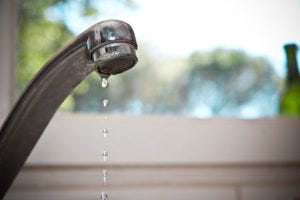
3. Drips: Look for drips in each faucet. Little drips are usually a sign of either a worn out faucet, or a leak somewhere in the system.
4. Pipes: Look at the pipes under the sink. To ensure good water pressure, pipes under the sink should be at least ½ wide or more. For pipes from your water source to the home, they should be at least ¾ inches wide.
5. Rust: Look for signs of rust or corrosion on any water heater, water softener, or other home plumbing appliances. Ask for the dates of purchase and the dates of last plumbing inspection on these items as well. Your home inspector should also do this, but it doesn’t hurt to do your due diligence as you walk the home to look for any signs of a water heater on the fritz.
6. Outside: Walk around outside on the lawn and see if there are any soppy areas, puddles, or poor drainage. This is particularly important if the home has a septic tank.
7. Warnings: Check around home appliances, tubs, and showers for any signs of warping or cracking in the floor. Also check flooring and ceilings for any signs of water staining or previous water damage.

Before You Make An Offer

When you are serious about purchasing a home, it’s time for a second walk through and more thorough inspection to check for the nitty gritty details. When you walk through a house for the second time, it is a good idea to bring a licensed plumber along to learn more about any past or current plumbing issues in the home.
A second pair of eyes can may see things you may not notice or know to look for, and can provide professional advice if necessary. You should also check to see if a sewer line or water line was repaired/replaced in the past, check for any water damage or possible leaks that may cause future issues and thoroughly inspect crawlspaces, attics, and basements for any signs of water.

The post Before You Buy: Plumbing Inspection Checklist for Home Buyers appeared first on Tspplumbing.com

Monday, February 4, 2019

Simple Plumbing Tips That Can Help You Save on Plumbing Costs

 https://i.imgur.com/AlI4MpQ.jpg
Most of us are very concerned with saving money these days. Perhaps more so than ever before. Yes, most of us are and if we can find new ways that can help us in saving money then we are definitely going to try that out. A major reason why we are all so concerned with saving is because of the high costs of almost everything that you can think of. So if we can somehow save money by cutting down on some costs, then that is certainly a very good thing.

At home, there are so many things that we can do to cut down on costs, resulting in savings that could be used for other important things in the future. There are things that you can just do yourself, so that you would no longer need to hire the services of professionals that need to be paid, and most of the fees that they charge do not exactly come cheaply.

Plumbing is one of the things at home that you could save some costs on and thus help your finances. Even though we know that fixing and/or replacing plumbing fixtures might possibly require the services of a professional, there are still some things that you could do yourself. All you need are some tips that will help you out, although the more complicated stuff surely needs experts working on it.

The following are some plumbing tips that could provide easy help for you and allow you to save on plumbing costs:

Inspect your toilet to see if there are any possible leaks. To check for leaks, use food coloring. About six drops of food coloring that's added to the tank of the water closet will help you determine if there are any. If there's a leak, color will be visible in the toilet bowl after about half an hour.

You should check out every faucet that you have in your home, as well as the connections of the fixtures, to see if there are any leaks. If you can, then you should repair the leaks yourself in order to save money and keep expenditures down.

While you are inside the toilet and inspecting it, look for any signs of cracks or any possible source of the leaks. Check if the flush is working properly, and should you notice that you need to press down on the handle longer than usual just for it to work, then it might be time to replace some of the more worn out parts of the water tank.

If the water heater that you are using at home happens to be more than 15 years old, then it is already time for you to replace it. Newer water heater models are more energy efficient than the older ones.

If you have drains at home that are not frequently used, then you should pour down about one gallon of water into it to prevent any unsavory odors from going inside your home. Make sure that floor drains are included in those that you'll pour water into.

Source: Simple Plumbing Tips That Can Help You Save on Plumbing Costs